0.5 mL Needle Safety Device
A passive needle safety device for high-viscosity depot drugs, designed around Lanreotide and the enlarged hands of acromegaly patients.
- Year
- 2020–21
- Where
- Mediscient Devices Pvt. Ltd.
- My role
- Co-developed the delivery and needle retraction mechanisms; led the human factors study
- Disclosure
- Mechanism details confidential
A passive (automatic) needle safety device for high-viscosity depot drugs. A depot injection is a slow-release form of medication: the injection uses a liquid that releases the medication slowly, so it lasts a lot longer. Depot drugs are very helpful in increasing medication adherence among patients who constantly forget to take their medicine.
This specific model is designed for the Lanreotide depot drug. Lanreotide is given to patients with acromegaly. The injection is designed to be self-administered or given by a healthcare provider.
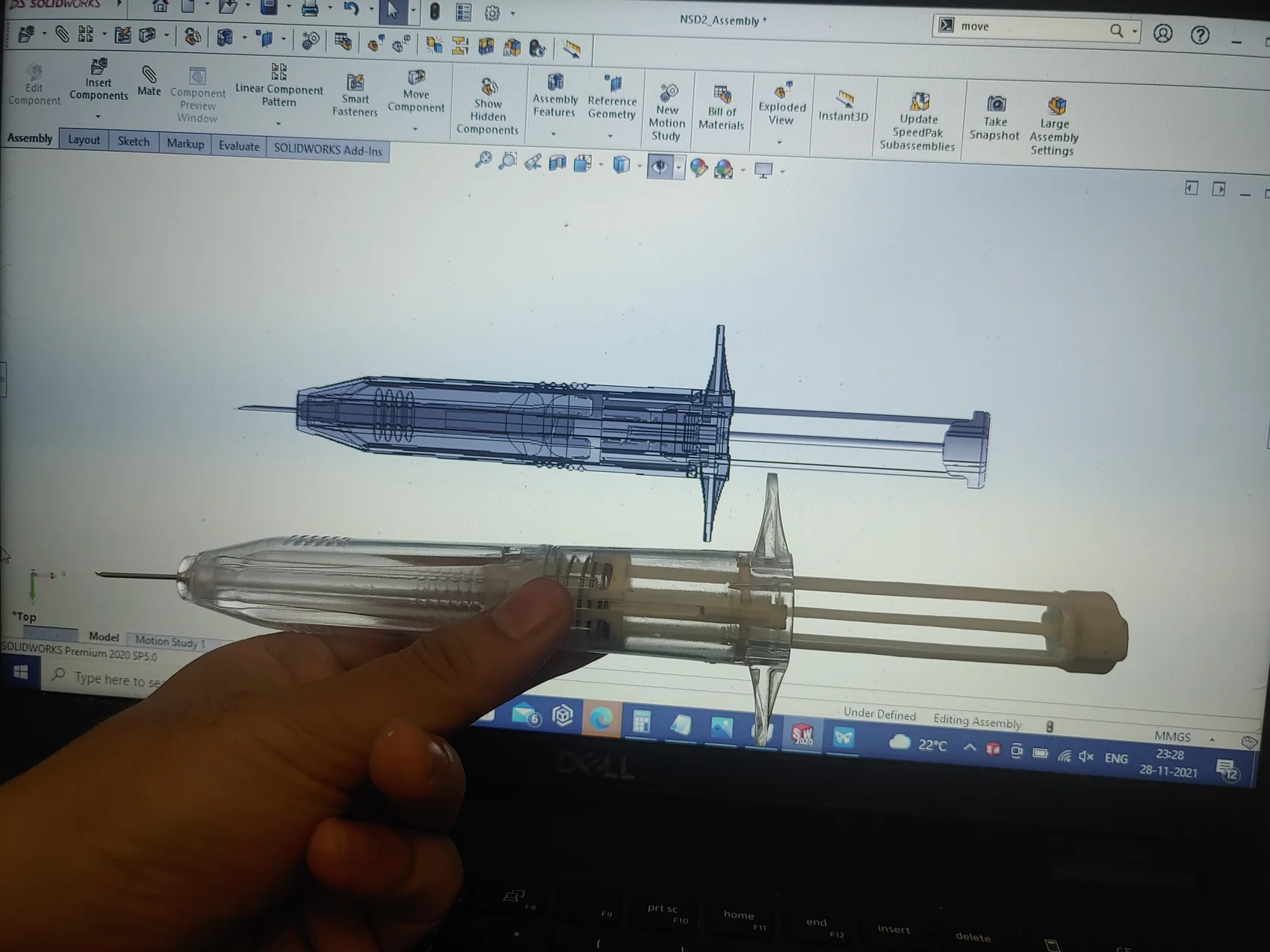
Why the device is this large
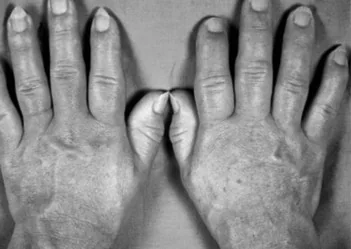
Patients with acromegaly usually have very large hands, as shown in the image, because of which the device had to be made a bit larger in diameter for it to be comfortable to use. And since the device is designed for depot drugs, which are mostly highly viscous, the syringe internal diameter could not be higher than 3 mm — otherwise the injection force would be uncomfortably high (>8 N). Those are the two reasons behind such a large device.
User steps
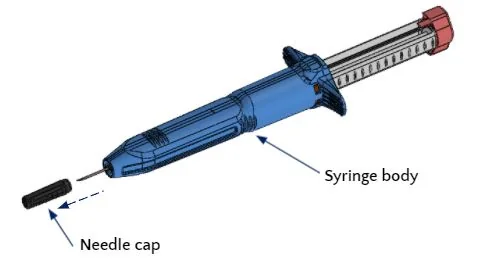
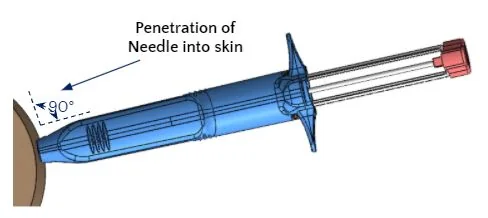
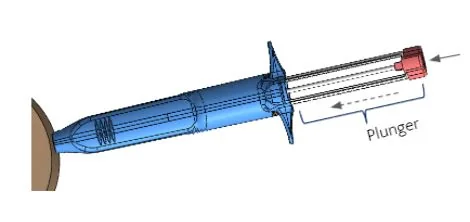
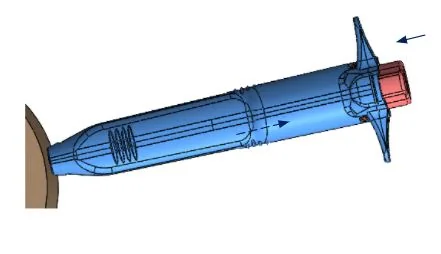
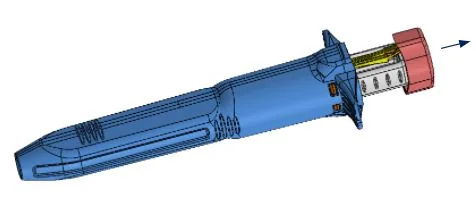
The device has a five-step operation. At the end, it locks in the needle-retracted position and can’t be pushed or pulled from there. This makes disposal easy and ensures no needle-stick injuries occur.
Initial 3D printed trial
As seen in the video, I faced a lot of problems getting the retraction to occur smoothly, because of the high-friction resin 3D printed parts. Final locking was a problem too — I had to pull the plunger assembly out to make it lock.
Working mechanism
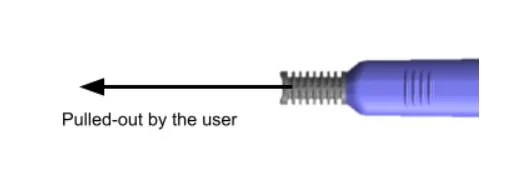
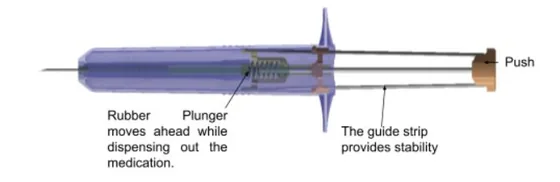
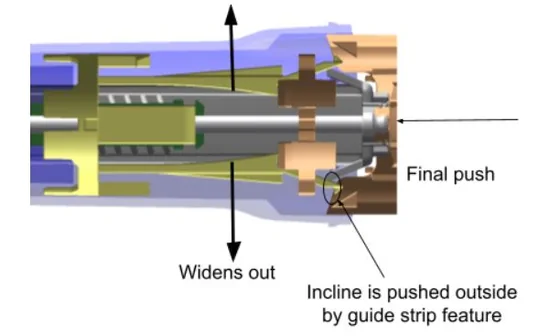
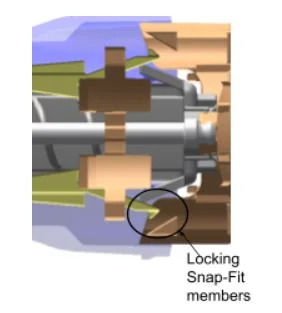
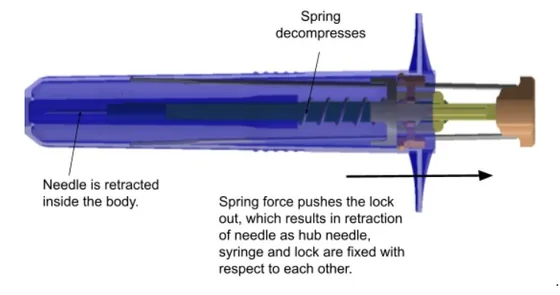
Final 3D printed prototype
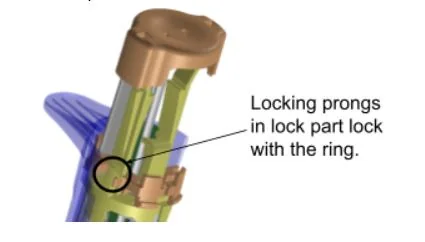
The problems faced earlier have been resolved. We spent a lot of time prototyping the transparent outer body of this device, as it has complex geometry on the inside. Once the injection is complete the needle retracts and the plunger can no longer be pushed or pulled.
Even though the maximum dose is only 0.5 mL, the reason behind such a long device is the highly viscous drug: it needs a significantly lower syringe internal diameter to flow out with a feasible force.